Heating Systems That Match Your Home's Load
Heating installation and replacement in Pasadena for furnaces and heat pumps that have aged out or underperform
2 Brothers Mechanical installs and replaces heating systems in Pasadena and across Anne Arundel County, handling furnace and heat pump upgrades for homes whose existing equipment no longer heats reliably or cycles inefficiently through cold weather. The owner manages the heat load calculation, equipment selection, and installation oversight personally, so you're working with a family-owned HVAC company. The work involves removing the old furnace or heat pump, confirming that your home's ductwork and electrical service can support the new unit, and installing equipment sized to your actual heating demand rather than matching the size of the system being replaced.
Here is how the installation works:
- A Manual J load calculation accounts for your home's insulation, window count, floor plan, and exposure.
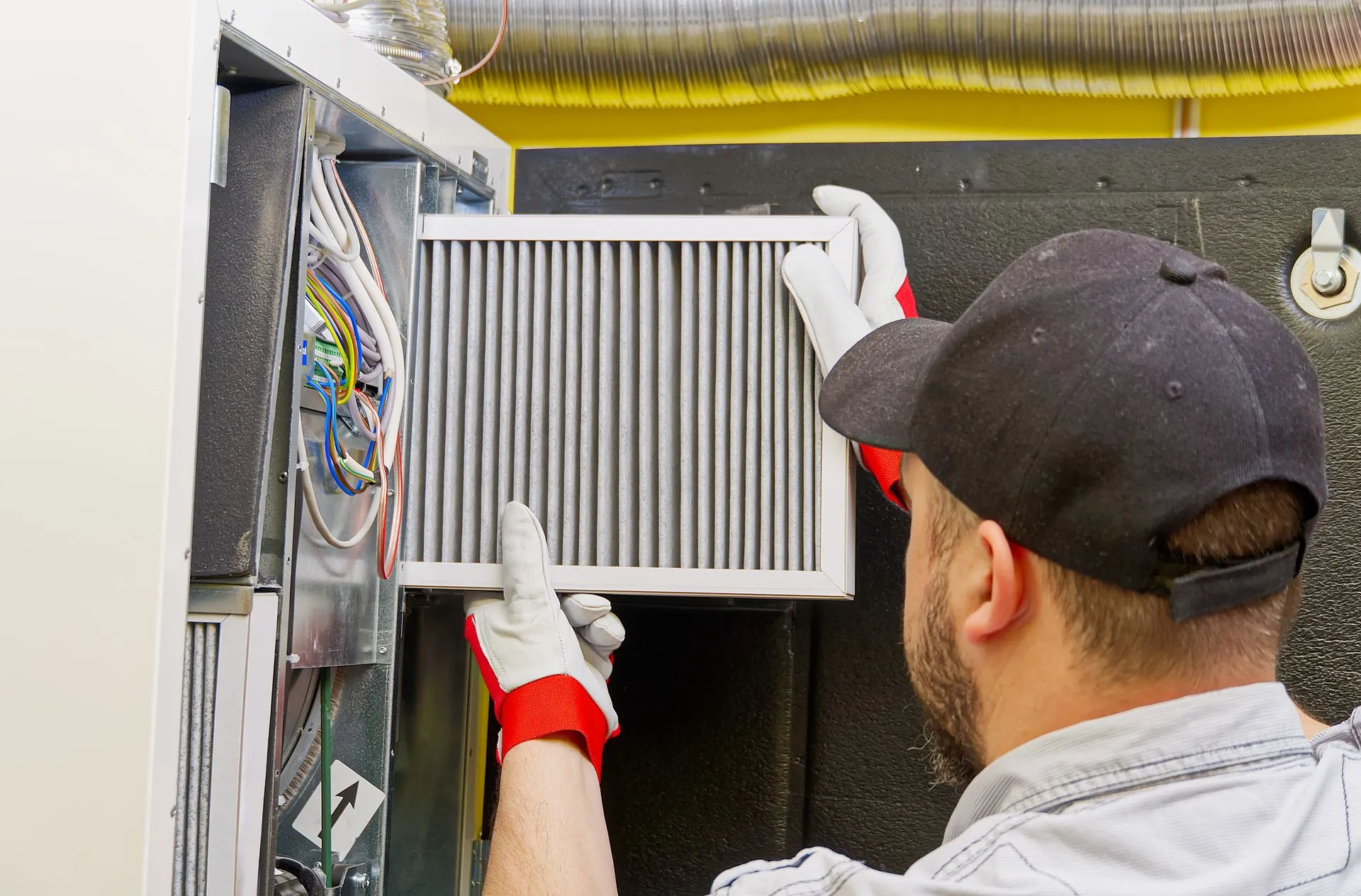
- The technician removes the old heating unit and inspects the ductwork connections, the gas line or electrical supply, and the combustion venting if the new system is a furnace.
- The new unit goes in the same location unless clearance or code requirements call for a different placement.
- Refrigerant lines are run for heat pumps, and flue pipes are resized for high-efficiency furnaces.
- The thermostat is wired to match the new system's control voltage and staging.
- The technician tests ignition, verifies airflow and temperature rise, and cycles the system several times to confirm it runs correctly under load.
Schedule an in-home assessment to review your current heating system and determine the correct replacement size and fuel type.
What Proper Sizing Accomplishes
Correctly sized heating systems run longer cycles at steady output, which distributes heat evenly throughout the home and avoids the temperature swings and short-cycling that occur when an oversized furnace or heat pump satisfies the thermostat before the building envelope is fully warmed. The new system ignites cleanly, the blower ramps up smoothly without rattling or vibrating, and every room reaches the set temperature without hot or cold zones.
After the installation is complete, you'll notice that the furnace or heat pump cycles on when the thermostat calls for heat, the air coming from the registers is warm within the expected time, and the system shuts off once the indoor temperature stabilizes rather than running continuously or cutting out prematurely. The equipment operates quietly, the combustion or compressor noise is noticeably lower than the old unit, and there's no delayed ignition or pilot relight cycle on gas furnaces.
The installation includes the furnace or heat pump, air handler if applicable, thermostat wiring, refrigerant line set for heat pumps, gas line connections and venting for furnaces, electrical disconnect, and startup testing, but it does not cover duct replacement, insulation upgrades, or electrical panel modifications unless those are discussed separately during the estimate.
Common Questions About Heating System Replacement
Homeowners replacing furnaces or heat pumps want to understand how the new system will integrate with their existing home infrastructure and what the installation process requires.
How is the heating load calculated for a home in Anne Arundel County?
The technician measures the home's conditioned square footage, notes insulation levels in the attic and walls, counts windows and exterior doors, records ceiling heights and floor plan layout, and uses Manual J software to calculate the actual heat loss on the coldest expected day, ensuring the new system is neither oversized nor undersized.
What changes when replacing a furnace with a high-efficiency model?
High-efficiency furnaces use PVC venting instead of metal flue pipes because the exhaust gases are cool enough that they condense, so the technician installs new vent pipes that terminate through an exterior wall rather than up the existing chimney, and a condensate drain is added to remove the water vapor that forms during combustion.
Why might the new heat pump require different electrical service than the old one?
Modern heat pumps often include variable-speed compressors and multi-stage heat strips that draw different amperage than older single-stage units, so the technician checks the existing breaker size and wiring gauge to confirm they meet the new unit's specifications, and upgrades the circuit if the current setup is undersized.
What happens if the existing ductwork is undersized for the new heating system?
The technician measures airflow at the registers and checks static pressure inside the duct system, and if the ducts are too small to handle the new system's output, return air ducts may be added or supply ducts enlarged to prevent the blower from overworking and the furnace or heat pump from cycling on high-limit safeties.
How does the installation process differ for homes with furnaces in crawl spaces versus attics?
Crawl space installations require the technician to work in confined, low-clearance areas where maneuvering equipment and running new gas or vent lines takes longer, while attic installations involve lifting the new furnace through a narrow access hatch and ensuring that the platform and clearances meet current fire and ventilation codes.
2 Brothers Mechanical also installs and replaces heating systems in Annapolis, Severna Park, Glen Burnie, Linthicum Heights, and Odenton. To replace an aging or undersized furnace or heat pump, call 2 Brothers Mechanical at (410) 501-9209 and arrange a heat load calculation to confirm the correct system size for your home.